

Rough Trade
With: Jens Haaning, Camille Turner and Camal Pirbhai, Stine Marie Jacobsen, Anitra Hamilton and Jane Jin Kaisen
Curated by Earl Miller
3 February - 4 March 2017
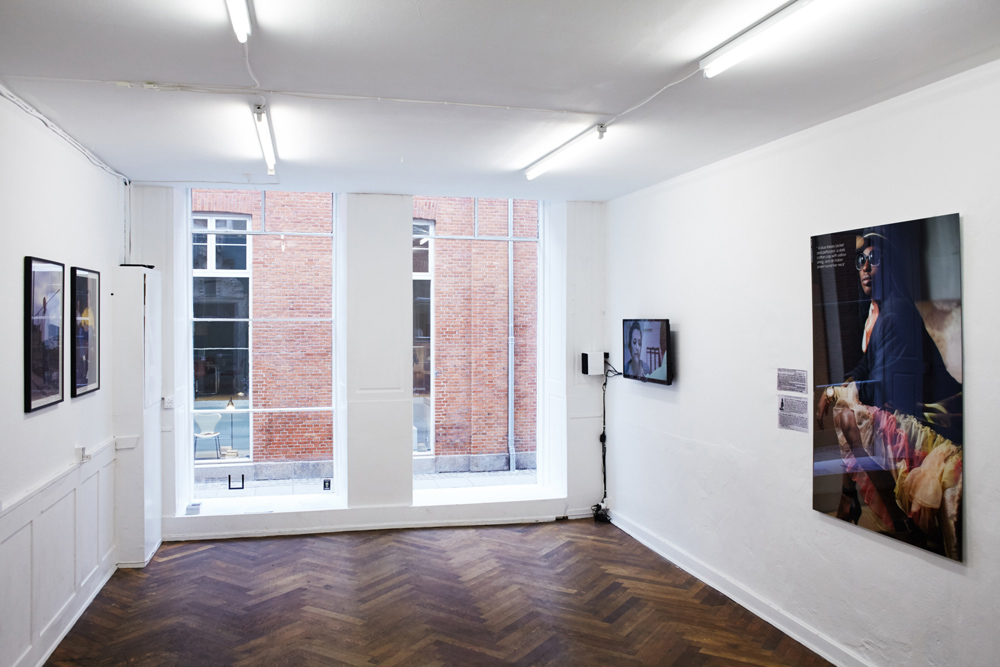
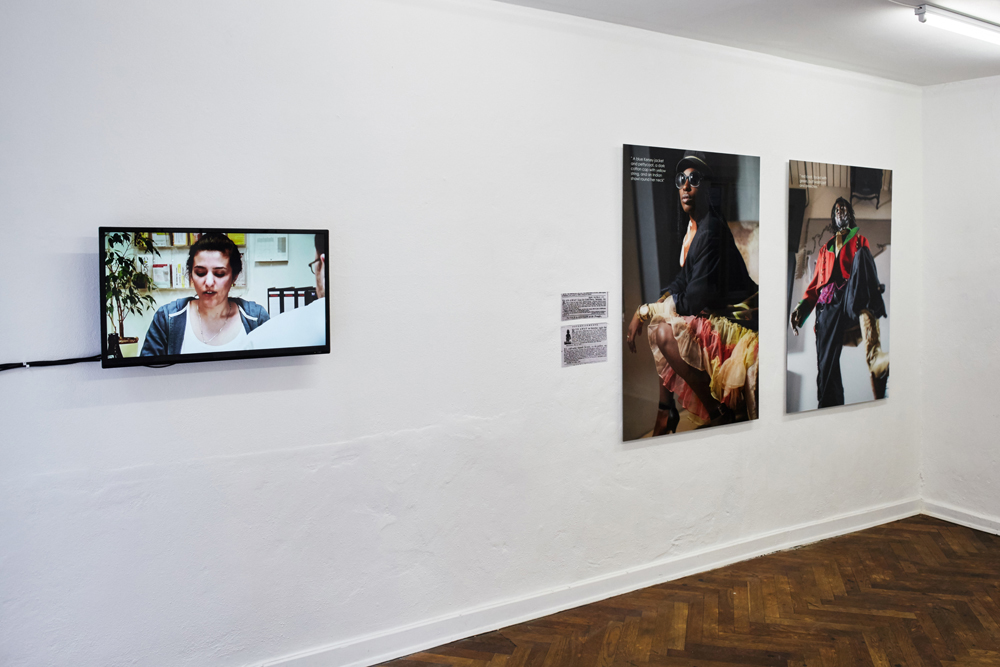

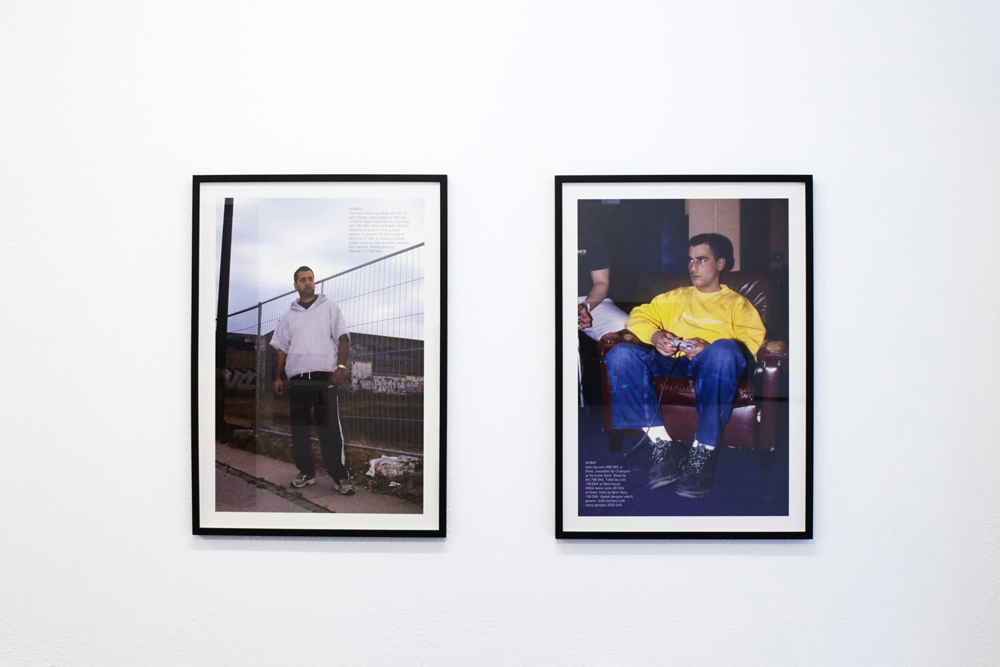
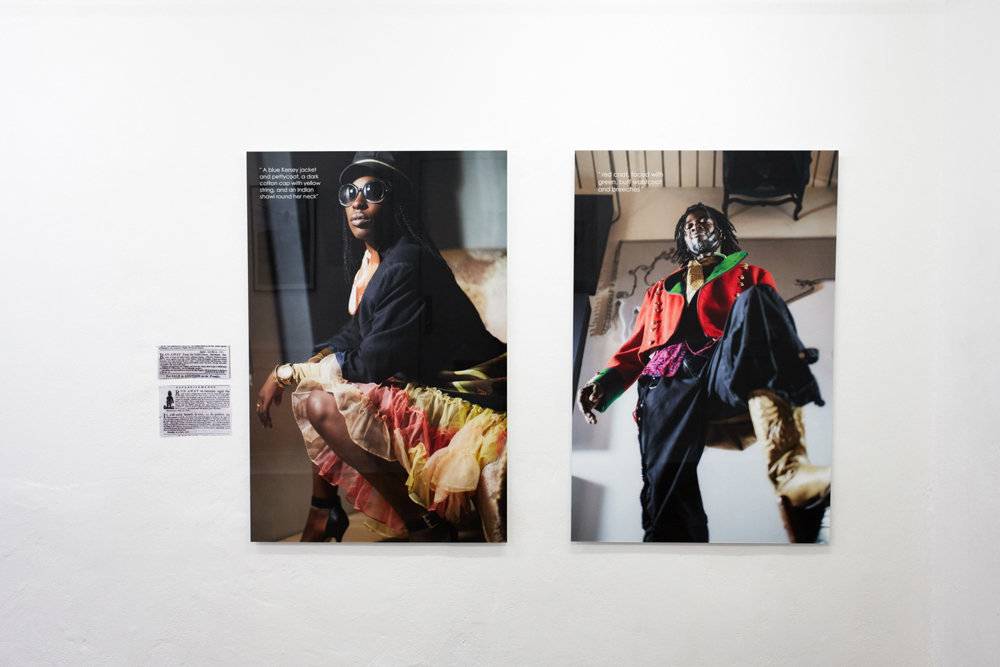
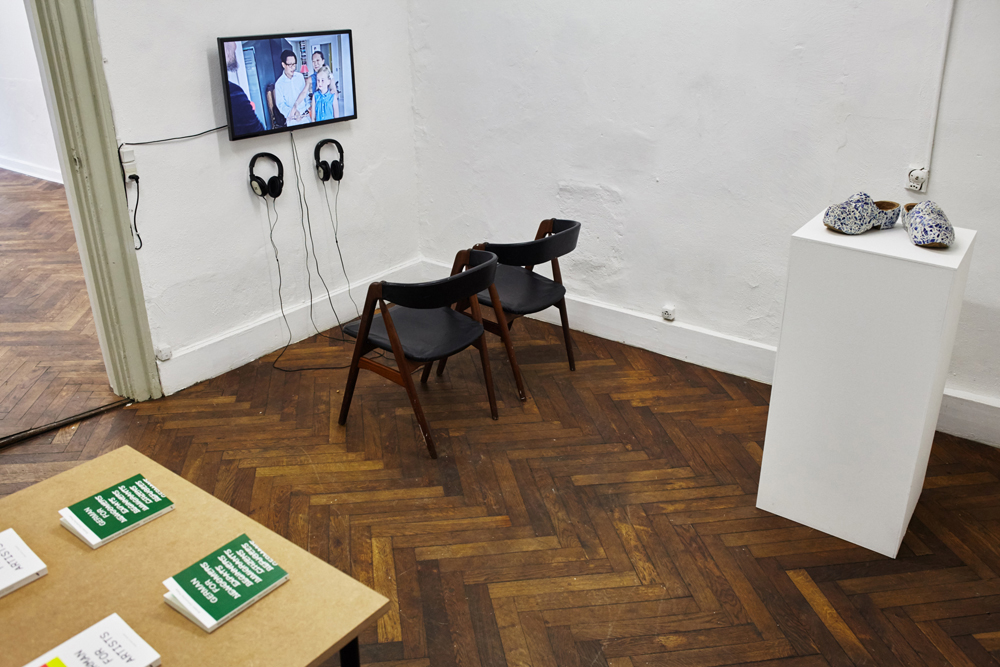
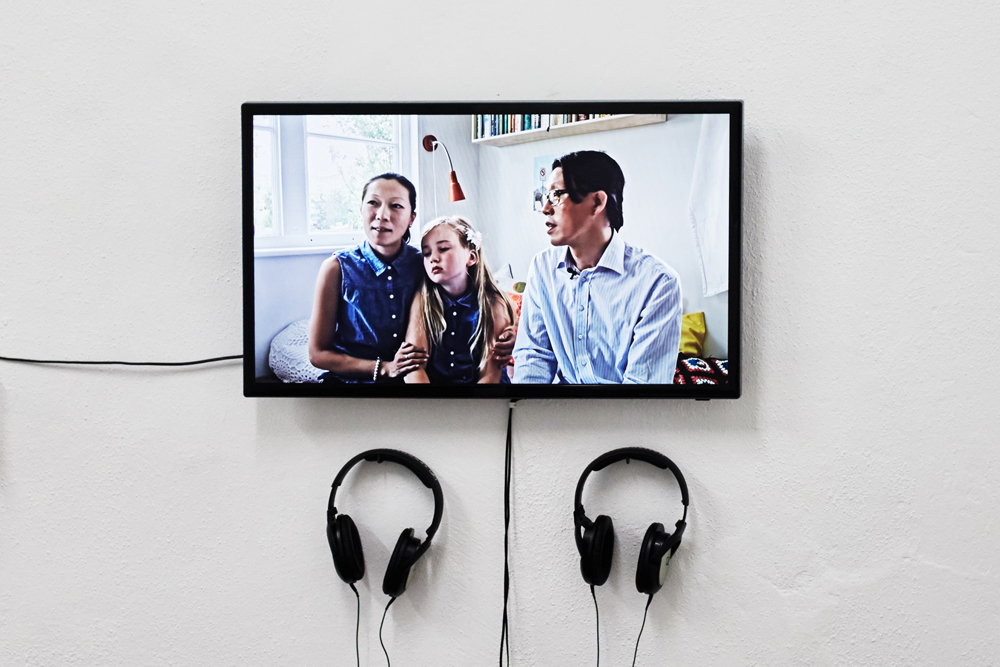
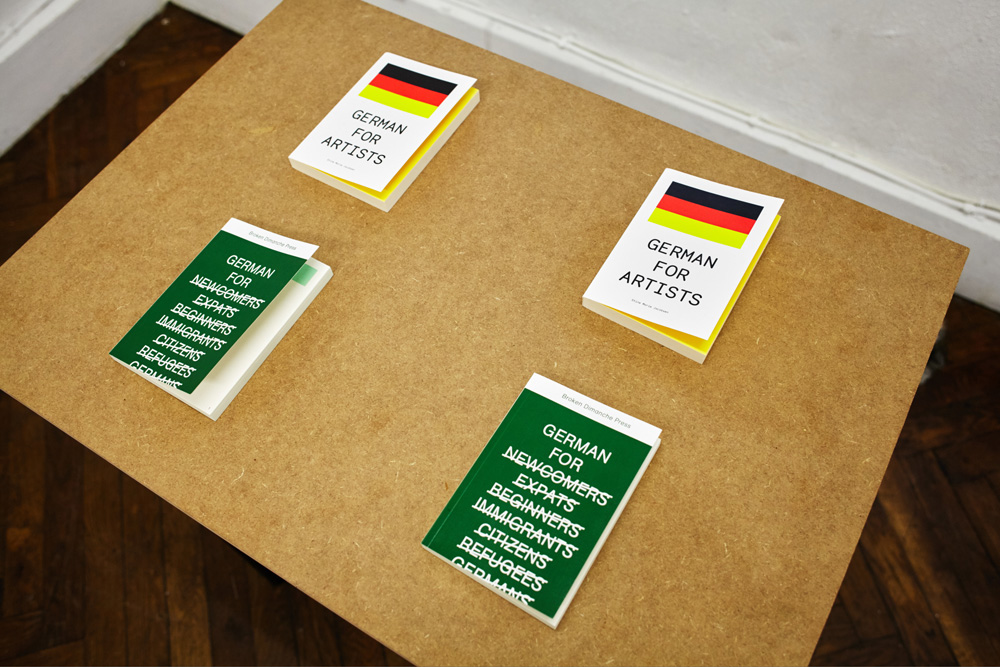

The exhibition title Rough Trade suggests a range of associations with contemporary global commerce, like the physical and wholesale transactions that facilitate our contemporary economies alongside the range of hidden infrastructures of oppression the term rough implies. It suggests, for instance, forced work – from sweatshops to agriculture – to meet the needs of global supply chains. And it does not forget the history of the slave trade and the legacy of negations it left behind that have transformed language and cultural behavior, and that continue to influence new systems of domination. Rough Trade asks, perhaps, what is modern slavery and colonization?
For this exhibition, organized by the Canadian curator Earl Miller, the artists Jens Haaning, Camille Turner and Camal Pirbhai, Stine Marie Jacobsen, Anitra Hamilton and Jane Jin Kaisen will present conceptually-based works that explore different forms of “rough trade” through trans-cultural ‘tradings’ of racial, cultural, linguistic, colonial, and national roles. Moreover, the artworks set out to expose the different set of imbalances between domination and submission, to connect with current ethical dilemmas, and disrupt the order between the normative and the atypical ways that we consent to the undercurrent of oppressive systems.
Furthermore, the exhibited works seek to activate a deliberate distancing, through the concept of ‘the other’ and the Brechtian alienation effect - verfremdungseffekt - which transpires when an unusual situation, in this case, a sharply broken stereotype, prevents audiences from directly identifying with the subject. This “estrangement” subsequently constructs a critical distancing between the subject and the audience, one that grants the opportunity for intellectual reflection - such as the cultural, economic, and racial inequity examined by the invited artists in Rough Trade.
Rough Trade also considers how works of art can propose active positions of empowerment and optimism without defaulting to fake positivism. Creating an opening where art has the potential to transform distanced critique into operative forms of activism, the exhibited art works puncture the domestic sentimentality of the object or commodity and create an unfamiliar territory for unorthodox readings of our global reality and its traded subjects through artistic interventions.
With all of this in mind, the exhibition looks to the historical legacy of European and North American colonialisms and how these inform current political climates. Most notably, it situates itself amidst the right-wing backlash against identity politics (on both continents) and how the migration politics in Europe impact forms of belonging and integration. For this reason, the artworks focus on subjects such as slave history; global capitalism’s exploitation of low-wage labour; language’s role in cultural domination; the migration of refugees; and the artist's own migration in light of cultural nationalism.
To supplement our exhibition, Rough Trade will invite speakers to a panel discussing and debating the politics framing the exhibition.